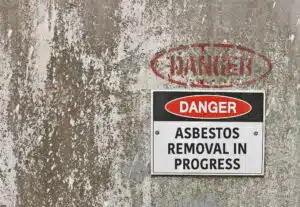
During an emergency service call, when water is pouring through a ceiling or a toilet has overflowed, the instinct is to act fast. Stopping the source is critical. But if the next step involves cutting drywall or ceiling texture to drain a cavity, and you do not first consider the possibility of asbestos, that single cut can create a far more serious problem than the water loss itself.
The joint compound and popcorn texture trap
Most contractors know to look for asbestos in old pipe insulation or 9×9 floor tiles. In residential restoration, the more common risk is joint compound and acoustic “popcorn” ceiling textures. Homes built before 1980 have the highest likelihood, but asbestos-containing materials have also been found in newer structures due to leftover stock, imported materials, and renovations using older products.
Year built is a risk indicator, not a guarantee. Testing is the only way to confirm whether a material contains asbestos or not.
If you cut into a ceiling that contains asbestos, you may have released friable fibers into the affected room, the HVAC system, and surrounding contents. Test it first.
What to test
You do not need to test the entire home. Focus on any material you plan to cut, remove, or disturb, including:
- ceiling texture and joint compound
- drywall at the cut line / tape joint
- vinyl flooring, tiles, and mastic
- sheet goods
- exposed pipe insulation
Most laboratories allow multiple samples to be submitted under a single report, which keeps costs and turnaround time efficient.
Emergencies do not suspend the rules
A common misconception is that OSHA and NESHAP requirements are relaxed during emergency mitigation. They are not. Disturbing potentially hazardous materials without testing or containment is never an acceptable standard of care. Stabilize the environment first, then isolate the area until testing is complete.
The estimating and liability impact
Contractors sometimes avoid testing because they fear the carrier will not reimburse the cost or the homeowner will object to the delay. In reality, when indicators of potential ACM are present, asbestos testing is often justifiable and defensible. (See: Why Your Xactimate Estimate Failed)
The greater risk is proceeding without testing. If asbestos is later identified during reconstruction, you may be liable for abatement of every area that was disturbed during mitigation.
Managing the homeowner conversation
Rush testing typically returns within 24 hours. If a delay is necessary, frame it around safety:
“We need to confirm that this material is safe to disturb before we open it up. This protects your home and your family.”
Most homeowners will support the pause when they understand the reason.
The bottom line
“Cut first, ask questions later” is a dangerous strategy in older or suspect structures. When in doubt, test the material, isolate the area, and protect your crew, your client, and your business.