

The “Year Built” Trap: One Cut Can Cost You Your Business
The “Year Built” Trap: One Cut Can Cause Some Serious Liability During an emergency service call, when water is pouring through a ceiling or a
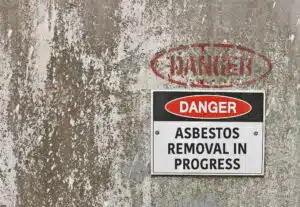
The Asbestos Pause: Getting Paid for the Process, Not Just the Test
The Asbestos Pause: Getting Paid for the Process, Not Just the Test A positive asbestos test doesn’t just change the scope. It stops the clock.

Why Bleach Is a Bad Word in Restoration
Why Bleach Is a Bad Word in Restoration When a homeowner asks, “Can’t you just spray some bleach on it?”, you know there is education

Smoke Odor: Why “Paint and Pray” Is A Dangerous Approach
Smoke Odor: Why “Paint and Pray” Is A Dangerous Approach The char is easy. The smell is where jobs go wrong. In fire restoration, visual

The “Grandfather Clause” Myth: Getting Paid for Code Upgrades
The “Grandfather Clause” Myth: Getting Paid for Code Upgrades “That’s grandfathered in. We don’t owe for it.” Every contractor has heard this from an adjuster.

The “Patchwork Quilt” Problem: Fighting for Continuous Flooring
The “Patchwork Quilt” Problem: Fighting for Continuous Flooring The adjuster wants to patch 50 square feet. The homeowner has 800 square feet of continuous flooring