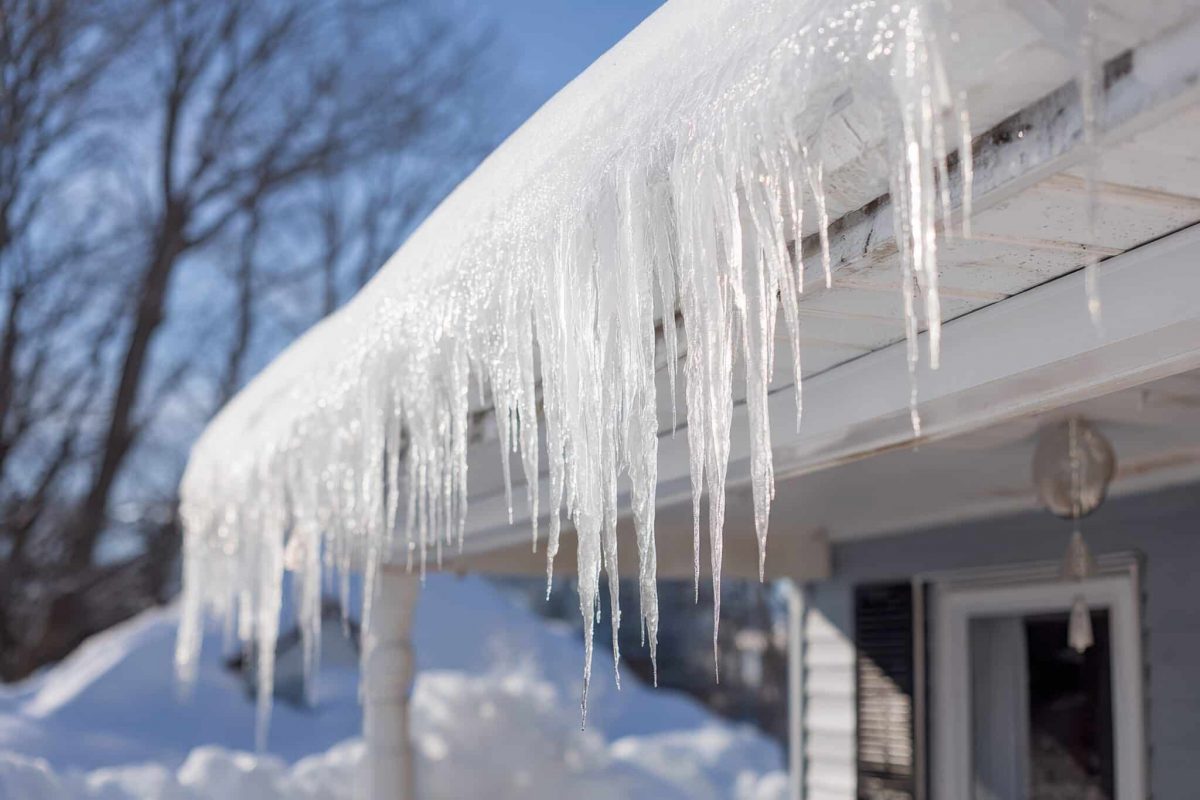
The ice dam didn’t cause the damage. The water intrusion did.
That distinction determines whether the claim is paid or quietly reduced. Carriers often try to reframe ice dam losses as maintenance failures: poor insulation, inadequate ventilation, or an aging roof. The goal is to shift the loss from a covered weather event to an excluded condition.
Strong documentation prevents that shift.
The Sudden Loss Argument
Adjusters frequently conflate ice dam formation with water intrusion. They are not the same event.
An ice dam can develop gradually during freeze–thaw cycles. But the loss occurs when meltwater backs up and breaches the roofing system. That intrusion is sudden, accidental, and unintended.
Homeowners don’t receive a warning. They wake up to wet ceilings, stained walls, or dripping fixtures. Even if winter conditions existed beforehand, the intrusion itself happened quickly.
Document the moment water entered the structure, not the seasonal conditions that allowed ice to form.
Photograph the Entry Point, Not Just the Damage
Interior damage alone invites a wear-and-tear narrative. Exterior evidence shuts it down.
Get on the roof (or use a drone) before melting obscures conditions. (See: The “Purple Blob” That Sells the Job: Thermal Imaging Explained)
Photograph:
- Ice accumulation at the eaves indicating dam formation
- Likely breach locations such as valleys, flashing interfaces, or shingle laps
- Interior damage aligned with the roof slope and framing direction
- Visual linkage between exterior conditions and interior impact
Your photos should tell a simple story: ice dam → backup → breach → interior damage. When a reviewer can visually trace the water path, the “gradual damage” argument collapses. (See: The Golden Rule of Claims)
Don’t Take the Insulation Bait
Carriers often argue that poor insulation caused the ice dam, making the loss a maintenance issue. That’s a trap.
The homeowner’s insulation quality is irrelevant to coverage. The question is not why ice formed, it’s why water entered the building envelope.
Water entered because weather conditions exceeded the roof system’s ability to shed meltwater. That is a weather-driven intrusion event, not deferred maintenance.
The moment you debate attic R-values, you’ve shifted the conversation away from coverage.
F9 Notes That Defeat Wear-and-Tear Denials
Bad note: “Water damage from ice dam.”
Good note: “On [DATE], meltwater backed up behind ice damming at the north-facing eave following sustained sub-freezing temperatures and snow accumulation. Water penetrated the roofing system at the valley flashing, causing sudden interior water intrusion. Ceiling and wall damage aligns with roof slope and breach location. See Photos 12–14. Damage reflects a weather-driven intrusion event,”
This establishes timing, identifies a breach, ties damage to exterior conditions, and preempts exclusions. (See: Why Your Xactimate Estimate Failed)
The Bottom Line
Ice dam denials succeed when contractors document damage without documenting the loss event.
Show where the water entered. Tie interior damage to exterior conditions. Name the intrusion as sudden and weather-driven.
The carrier wants this to be about the homeowner’s attic. Keep it about water entering their roof on a specific date, at a specific location, due to a weather event.
That’s not maintenance. That’s a claim.